
Knee Pain Physiotherapy in Gulshan, Dhaka: Exercises, Treatment and When to Seek Help
Knee pain can make everyday activities—walking, climbing stairs, getting up from a chair, or exercising—feel difficult. If you are looking for knee pain physiotherapy in Gulshan, Dhaka, the right starting point is an assessment that identifies what may be contributing to your symptoms and builds a plan around your goals. Physiotherapy may help improve movement, strength, confidence and function for many common knee conditions, but the best approach depends on the cause of the pain.
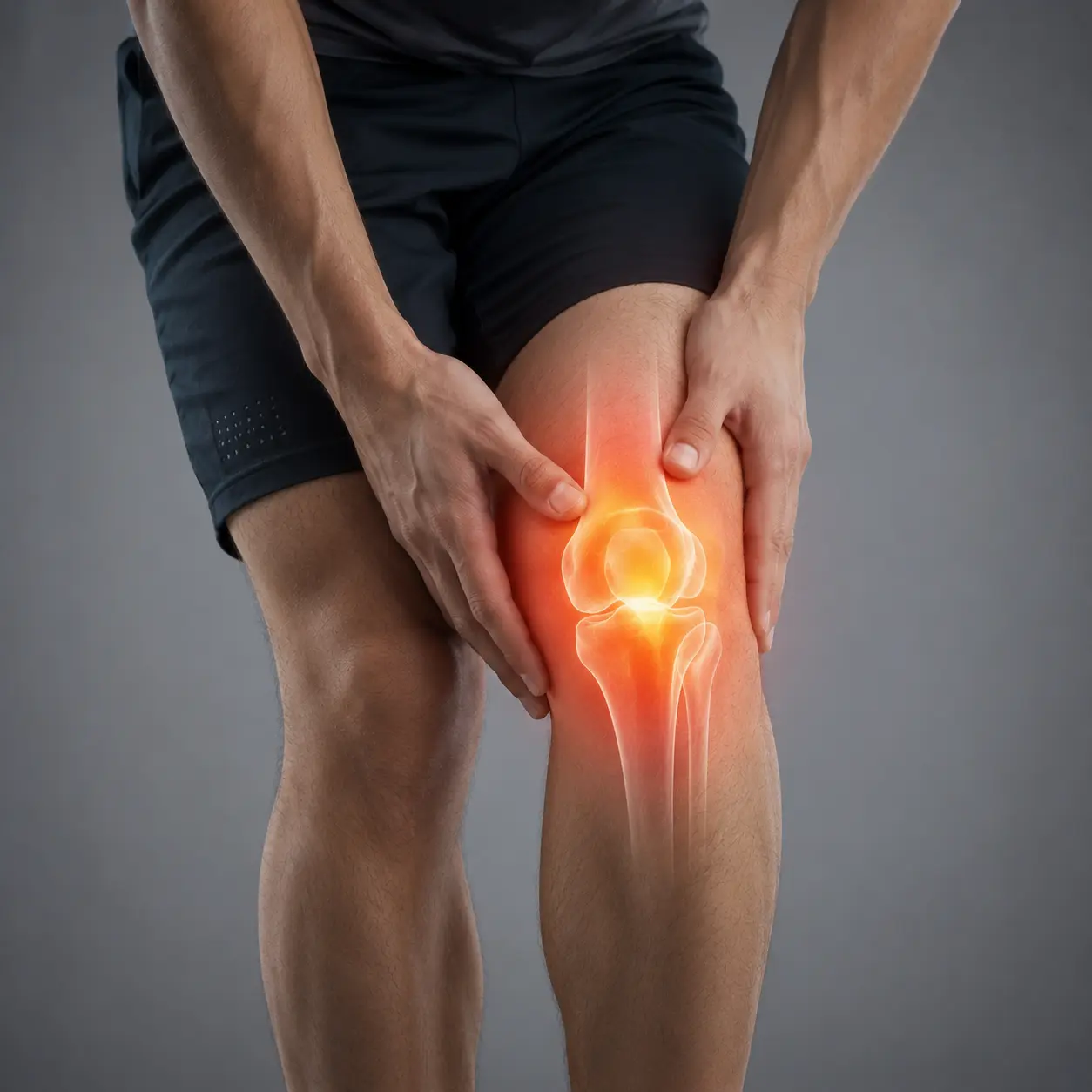
Quick answer: Knee physiotherapy commonly combines education, individually selected strengthening and mobility exercises, activity adjustments and progress reviews. Seek urgent medical assessment for a severely injured or deformed knee, inability to bear weight, a hot red knee with fever, or sudden major swelling.
What can cause knee pain?
Knee pain is a symptom, not a diagnosis. It can begin after a specific injury or develop gradually. Common causes include:
- Osteoarthritis: changes in the joint that may cause pain, stiffness and reduced tolerance for walking or stairs.
- Patellofemoral pain: pain around or behind the kneecap, often aggravated by stairs, squatting, running or prolonged sitting.
- Muscle weakness or reduced capacity: the muscles around the hip and knee may need progressive strengthening to support everyday activities.
- Ligament or meniscus injury: a twist, fall or sports incident can injure structures inside or around the knee.
- Tendon problems: pain around a tendon may be linked to a sudden increase in running, jumping or other loading.
- Post-operative stiffness or weakness: rehabilitation after knee surgery must follow the surgeon’s precautions and the procedure-specific plan.
Similar symptoms can have different causes. A physiotherapist or medical clinician should consider your history, the location of pain, swelling, movement, strength and functional limitations before recommending treatment.
How can knee pain physiotherapy help?
A good physiotherapy plan is not simply a list of generic exercises. It should match your assessment findings, health history, current ability and priorities. Depending on the diagnosis, your programme may include:
1. Individual assessment and goal setting
Your clinician may ask when the pain started, what aggravates or eases it, whether there was an injury, and how it affects work, sleep, walking or sport. They may assess knee movement, muscle strength, balance, walking and task-specific movements. The assessment helps determine whether physiotherapy is appropriate or whether medical review is needed first.
2. Progressive strengthening
Depending on your condition and irritability of symptoms, exercises may target the quadriceps, hamstrings, calf and hip muscles. Examples sometimes used in rehabilitation include quadriceps contractions, sit-to-stand practice, straight-leg raises and supported mini-squats. These are examples—not a personal prescription. A clinician should choose the movements, resistance and range that suit you, particularly after an injury or surgery.
3. Mobility, balance and movement practice
If stiffness or reduced confidence limits activity, a programme may include comfortable range-of-motion work, balance training, walking practice or graded stair practice. The aim is to build useful function safely rather than force the knee through painful movements.
4. Advice on activity and symptom management
Temporarily modifying an activity that repeatedly flares symptoms can help you remain active while the plan is adjusted. Your physiotherapist can discuss pacing, gradual increases in exercise, footwear or work-related demands where relevant. Complete rest is not necessary for every knee problem, and the appropriate level of activity depends on the cause and severity.
5. Review and progression
Your response should be reviewed over time. Exercise load, technique and goals may need to change as pain, strength and function change. Progress varies with the diagnosis, general health, consistency and other factors; no responsible clinician can promise a fixed recovery time for everyone.
Simple knee-friendly habits for daily life
- Break up long periods of sitting with comfortable movement when appropriate.
- Increase walking, running or gym activity gradually rather than making a sudden large jump.
- Use a handrail and a comfortable pace on stairs if pain or confidence is an issue.
- Follow any specific restrictions provided after surgery or an acute injury.
- Record which activities worsen symptoms and how long it takes for symptoms to settle; this can help guide your assessment.
Do not push through sharp, escalating pain or new swelling to complete an exercise. Stop and seek advice if an activity causes a concerning reaction.
When should knee pain be checked urgently?
Seek urgent medical care if you have a major injury with deformity, cannot put weight on the leg, cannot move the knee, have rapid or substantial swelling, or the knee becomes hot and red with fever or feeling unwell. A locked knee, repeated giving way, significant calf swelling or pain, or symptoms that are worsening also warrant prompt clinical assessment. Sudden shortness of breath or chest pain with leg swelling is an emergency.
If the pain is persistent, keeps returning, interferes with sleep or everyday tasks, or is not improving, arrange an assessment with an appropriate healthcare professional. They can help decide whether physiotherapy, medical investigation or another form of care is needed.
What to expect from knee physiotherapy in Gulshan, Dhaka
At an initial appointment, expect a conversation about your symptoms and goals, a physical assessment where appropriate, and an explanation of the findings and options. Ask the clinician to explain the purpose of each exercise, how to adapt it if symptoms increase, how progress will be measured and when you should seek further medical review.
When choosing a clinic in Gulshan, look for a qualified physiotherapist, clear communication, an individualised plan, reasonable follow-up and coordination with your doctor when needed. You can also read our guide to what to expect at your first physiotherapy session in Gulshan and our overview of physiotherapy treatment in Gulshan, Dhaka.
Frequently asked questions
Can physiotherapy help knee osteoarthritis?
For many people, tailored exercise, education and activity planning can help improve function and manage symptoms associated with knee osteoarthritis. The right plan depends on symptom severity, other health conditions and individual goals. Physiotherapy does not reverse joint changes or guarantee that pain will disappear.
Which exercises are best for knee pain?
There is no single best exercise for every cause of knee pain. The appropriate choice depends on the diagnosis, pain response, strength and any injury or surgical precautions. Get individual guidance before starting exercises if the pain is new, severe or associated with swelling or instability.
How many physiotherapy sessions will I need?
The number of sessions varies. It depends on the condition, goals, progress, home programme and whether additional medical care is needed. Your physiotherapist should review progress with you and explain the reason for any recommended follow-up.
Should I stop walking if my knee hurts?
Not always. Some conditions benefit from adjusted, tolerable activity, while acute injuries or certain symptoms require rest from specific tasks and medical assessment. If walking causes severe pain, inability to bear weight or a major increase in swelling, seek prompt care rather than trying to push through.
How do I book a knee physiotherapy assessment in Gulshan?
Visit Amin Physio Therapy’s website to review clinic information and contact options. When you enquire, mention where the knee hurts, how long it has been painful, whether there was an injury or surgery, and any urgent symptoms.
Take the next step
You do not need to guess which exercise is right for you. A careful assessment can help clarify likely causes, identify warning signs and set practical rehabilitation goals. If knee pain is limiting your everyday activities, consider arranging an assessment with a qualified healthcare professional in Gulshan, Dhaka.
Medical information note: This article is for general education and is not a diagnosis or a substitute for individual medical advice. Treatment and exercise recommendations should be adapted to the person’s condition and clinical assessment.
Author: Alamin Hossain PT
Further reading
For additional general information about knee symptoms, see the NHS guide to knee pain. For information about osteoarthritis and treatment options, see the NHS osteoarthritis guide. These resources do not replace individual assessment.